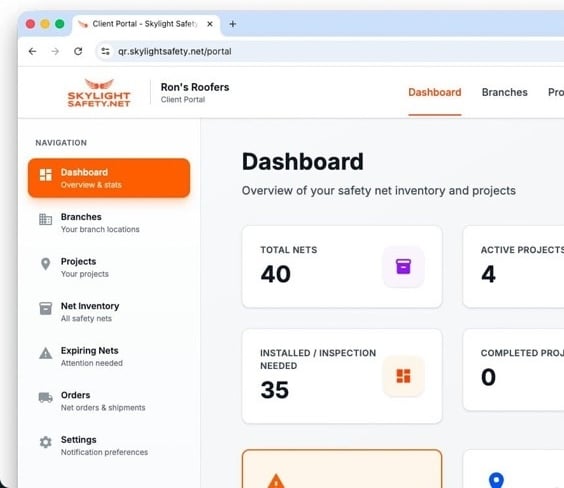

The Over Skylight Human Arrest System runs on the S.M.A.R.T. System
Every Over Skylight Human Arrest System comes with Safety, Monitoring, Audit, Records, & Tracking, the system that logs where each net is deployed, when it was last inspected, and how much service life it has left, so the day an OSHA inspector walks your job, the documentation that keeps your company out of a six-figure citation is already sitting in your account.
A net can catch a worker. It can't answer the questions that come afterward.
After a fall through a skylight or during the course of a routine inspection, an OSHA inspector is going to want to see the records for your skylight protection: when it was installed, who inspected it, and every weekly check going back to the day it went up. For most contractors that record doesn’t exist in any form you can hand over. It’s split between a foreman’s memory, a text thread, and a paper log somewhere in a truck, and none of it will hold up. The weekly inspection isn’t optional, and when that history can’t be produced, it counts against you as if the inspections never happened at all.
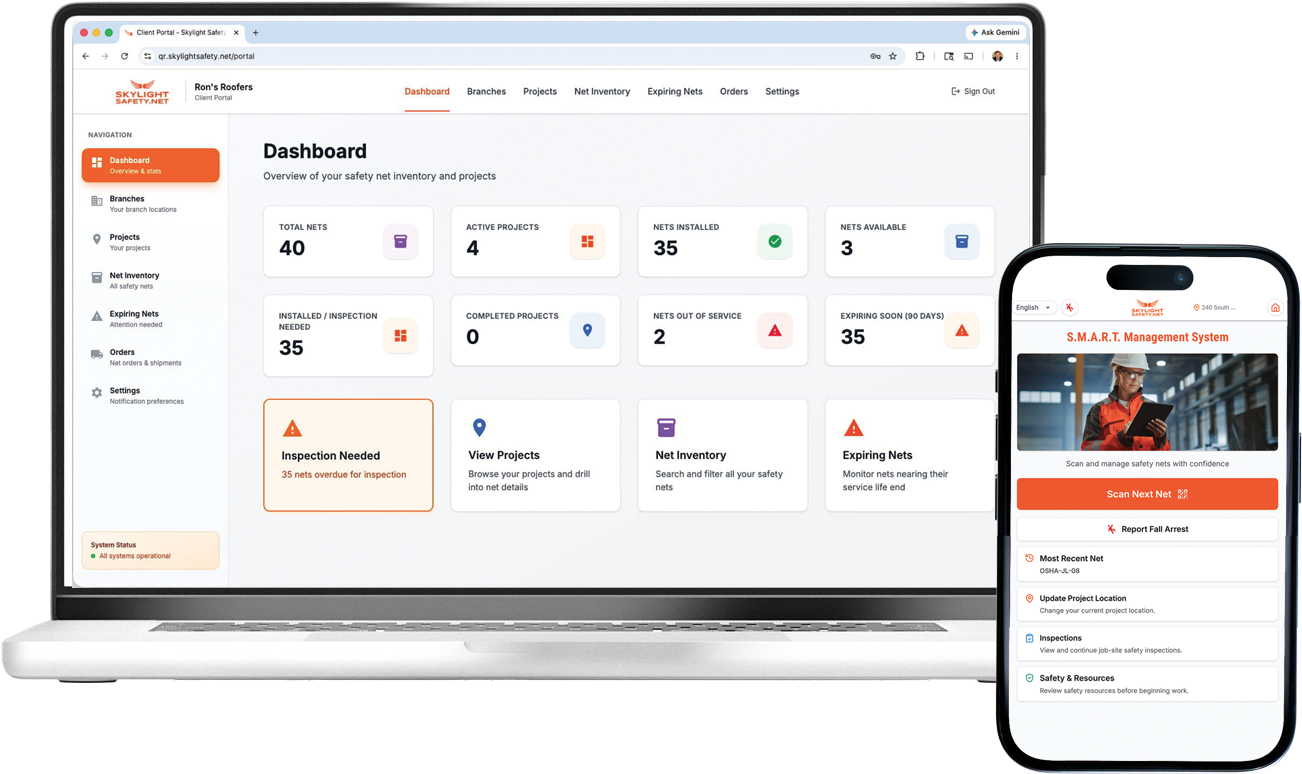
The S.M.A.R.T. system is the software half of the Over Skylight Human Arrest Safety System, and it is included with every system at no additional charge.
*U.S. Patent Pending
What does S.M.A.R.T. stand for?
Every function of the S.M.A.R.T. system traces back to keeping a worker from falling through a skylight, and to keeping the company covered when it counts.
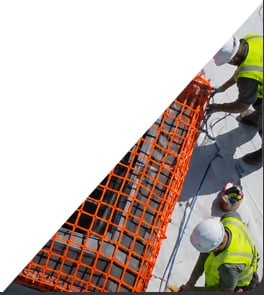
See where every net is at any given moment in time: which job, which roof, and whether it’s deployed or has been put back in inventory.
Scan the net right from the roof and keep compliant with the weekly visual inspection OSHA requires under 29 CFR 1926.502(c)(5).
Keep an automatic, permanent, time- stamped record of installs, removals, inspections and human arrest events, exported on demand.
Track the full lifecycle of every net across its three-year documented service life, from the first day in service onward.
How the S.M.A.R.T. System works
-
Step One: Scan
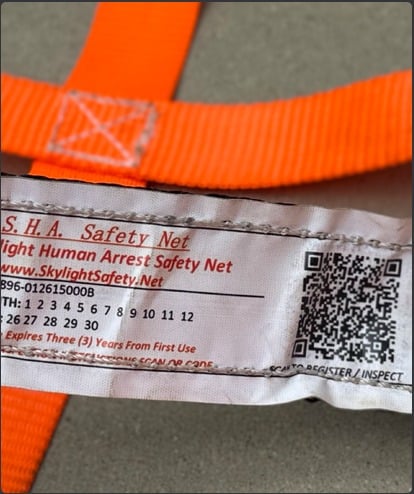
Point a phone camera at the QR code on the net or the bag to open the record for that net.
-
Step Two: Log
Select the action taken: installed, inspected, removed, or a human arrest event.
-
Step Three: Done
The entry posts to your office record with the time and the location on it before the crew is back on the ground.
When an OSHA inspector asks, know you'll be ready.
Every scan from every roof feeds into one running log, so when an OSHA inspector asks to see documentation for the systems on the job, you’re not digging through a binder or leaning on what a foreman thinks he remembers. Export the record, by site or by net, and hand it over on the spot.
The S.M.A.R.T. advantage
| A net on its own | A net on the S.M.A.R.T. system |
|---|---|
| Strapped down and forgotten | Tracked from inventory to roof and back |
| No record when it was installed or removed | Every installation and removal logged by job site |
| The weekly inspection lives in memory or on paper | The weekly inspection is logged by scanning the net |
| It catches a worked but fails to notify key contacts | One scan logs a fall arrest and alerts your contact list with the time and place |
| When the OSHA inspector asks for records, you have to go looking | When the OSHA inspector asks for records, they’re already in hand |
| You own equipment | You run a documented compliance program |
See the record now, not the day you need it.
Inspection Log